Table of Contents
Why Kids Enjoy Video Games So Much 10 Real Benefits of Video Games for Kids Healthy Limits Matter Too Best Games for Kids by Grade Group Grades 1–3: Fun, Logic, and Creativity Grades 4–5: Strategy, Building, and Beginner Coding Grades 6–8: Real Game Building and Coding Logic Grades 9–10: Programming Through Projects Grades 11–12: Advanced Creation, Coding, and AI How Games Can Lead to Coding What Makes a Good Video Game for Kids? Final Thoughts FAQs
When grown-ups talk about video games, they often focus on the problems. They worry that games waste time, reduce focus, or make kids sit too long in front of screens. But from a kid’s point of view, video games can be much more than just entertainment.
For us, games can feel like adventures, puzzles, challenges, creative spaces, and team missions. Some games make us think faster. Some help us solve problems. Some let us build amazing worlds. And some even teach us the first steps of coding.
So, are video games good for kids?
Yes, they can be – when we choose the right games and play with healthy limits.
Why Kids Enjoy Video Games So Much
Video games are exciting because they are interactive. We do not just watch something happen. We make things happen.
Games Let Us Explore
Many games take us into new worlds where we can discover hidden places, complete missions, and try different strategies. This makes us feel curious and involved.
Games Make Us Feel Capable
When we complete a level, solve a problem, or unlock something new, it feels rewarding. It reminds us that effort can lead to progress.
Games Can Be Fun and Meaningful
Some games are playful and relaxing. Others help us learn logic, creativity, planning, teamwork, and decision-making without making it feel boring.
10 Real Benefits of Video Games for Kids
1. Video Games Help Us Solve Problems
Many video games are like puzzles. We need to think carefully, try ideas, and figure out what works.
We Learn Through Trial and Error
Sometimes our first idea does not work. Games teach us to try again, change our plan, and keep going.
We Build Step-by-Step Thinking
A lot of games require us to break a challenge into smaller steps. That helps us think more clearly in other situations too.
2. Video Games Improve Decision-Making
In games, we often need to make choices quickly. We might choose tools, directions, moves, or strategies.

We Start Thinking Faster
Games can train us to notice what is happening and react at the right time.
We Learn That Choices Have Results
Every move in a game can change what happens next. This helps us understand cause and effect.
3. Video Games Can Improve Focus
To play well, we need to pay attention.
We Watch for Details
Many games reward players who notice clues, remember patterns, and stay alert.
We Practice Staying with a Task
Working toward a mission or completing a level helps us stay engaged until the goal is finished.
4. Video Games Teach Perseverance
Games are not always easy. We lose lives, repeat levels, and make mistakes. That is also what makes game development for kids so exciting, because children learn that building a great game takes testing, fixing, and improving step by step.
We Learn Not to Quit Too Quickly
Games often encourage us to try again rather than give up after one failure.
We See That Practice Leads to Progress
The more we play and learn, the better we become. That builds patience and confidence.
5. Video Games Encourage Creativity
Some games let us build, design, decorate, invent, or tell stories.
We Can Create Something New
Building games and sandbox games give us the freedom to make our own worlds and ideas.
We Feel Proud of What We Build
When we make something ourselves, the game becomes more personal and more meaningful.
6. Video Games Improve Hand-Eye Coordination
Many games require our eyes, hands, and brain to work together.
We React to Movement on the Screen
Fast-moving games help us respond to changes quickly.
We Build Better Control
This kind of practice can support timing, coordination, and smooth movement.
7. Video Games Can Teach Teamwork
Some games are better when played with others.
We Learn to Communicate
In team games, we need to listen, share ideas, and work together.
We Learn That Everyone Has a Role
Good teamwork teaches us that helping others can lead to better results.
8. Video Games Can Build Strategic Thinking
Not every game is about speed. Some are about planning.
We Think Ahead
Strategy games make us plan our moves, manage resources, and prepare for what comes next.
We Learn to Make Smarter Plans
These games help us understand why thinking ahead can be useful.
9. Video Games Can Make Learning More Engaging
Some games teach subjects like maths, reading, science, logic, and even coding.
Learning Feels More Active
Instead of only reading or listening, we get to click, test, build, and discover.
Big Ideas Feel Easier
Games can turn difficult concepts into something more visual and easier to understand.
10. Video Games Can Lead Kids Toward Coding
This is one of the most exciting parts of gaming.
Games Can Turn Players into Creators
Some kids start by playing games, then become curious about how games are made.
Coding Starts with Curiosity
Games that include building, logic, patterns, and commands can become the first step toward coding and game development.
Healthy Limits Matter Too
Even though games have many benefits, balance is still important.
1. Too Much Gaming Can Affect Daily Life
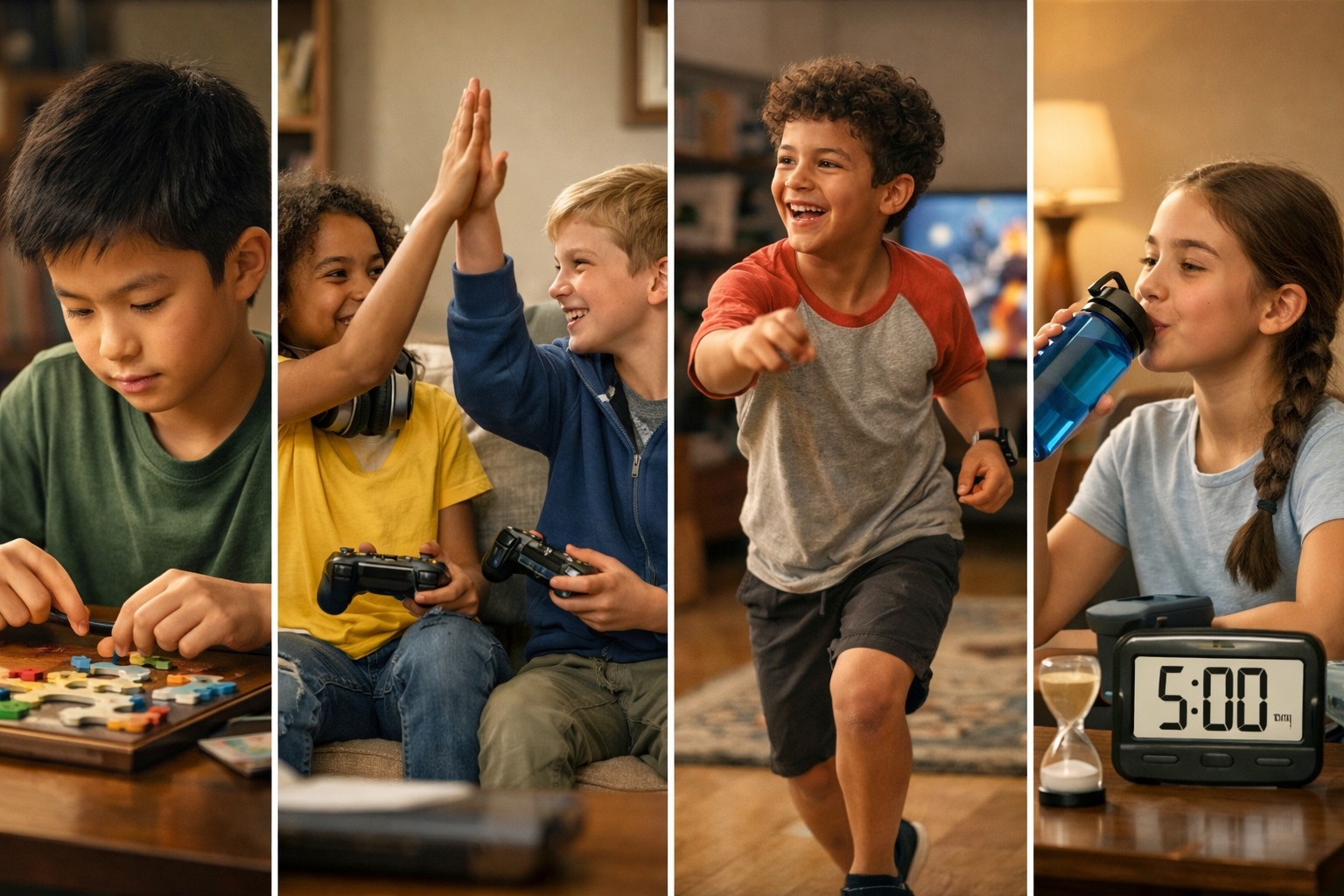
If we play for too long, it can affect sleep, homework, outdoor time, exercise, and family time.
2. Good Gaming Needs a Routine
Video games are best when they fit into a healthy day that also includes learning, movement, creativity, and rest.
3. Healthy Gaming Habits for Kids
Good habits help gaming stay fun and positive.
4. Play Age-Appropriate Games
The best games are the ones that match a child’s age, interests, and maturity level.
5. Set Clear Time Limits
Gaming feels better when there is a healthy routine instead of endless screen time.
6. Finish Important Tasks First
Homework, meals, sleep, reading, and physical activity should come before extra gaming.
7. Take Breaks
Short breaks help the eyes, body, and brain rest.
8. Mix Gaming with Offline Activities
Kids also need time for sports, drawing, reading, outdoor play, and conversations with family and friends.
Best Games for Kids by Grade Group
Some games are just fun. Some build thinking skills. And some slowly introduce children to coding and creating their own projects.
Grades 1–3: Fun, Logic, and Creativity
At this stage, kids enjoy simple, visual, and playful games that build thinking skills.
1. Toca Life World
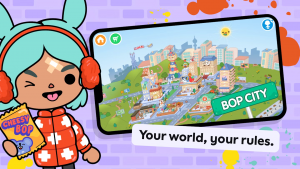
This game encourages storytelling, imagination, and creativity. Kids can create characters, scenes, and everyday adventures in their own way.
2. Thinkrolls
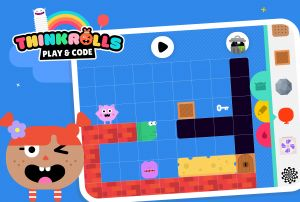
This is a puzzle game that builds logic and problem-solving. Kids learn to think through each challenge step by step.
3. ScratchJr
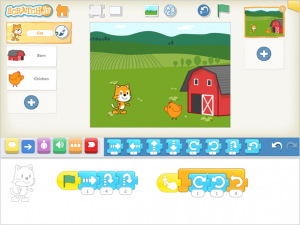
ScratchJr is one of the best early coding games for young children. It uses colourful blocks to help kids make characters move, jump, and tell stories. It feels like play, but it introduces sequencing and coding logic.
Grades 4–5: Strategy, Building, and Beginner Coding
At this level, kids can handle more planning, design, and interactive creation.
1. Minecraft
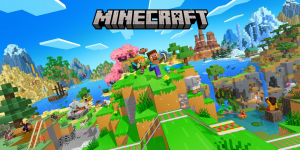
Minecraft is much more than a building game. It helps kids explore creativity, planning, design, and problem-solving. In some versions, kids can also start understanding game logic and coding concepts.
2. Lightbot
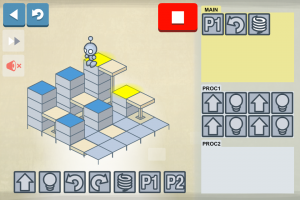
Lightbot is a brilliant early coding game. It teaches sequencing, loops, and functions through puzzles. Kids learn coding ideas without needing to type difficult syntax.
3. Code.org Games
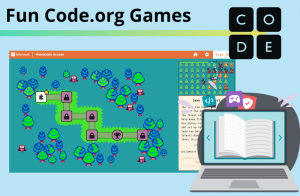
Code.org offers beginner-friendly coding games featuring familiar characters and block-based challenges. It is a strong step from gaming into structured coding.
Grades 6–8: Real Game Building and Coding Logic
This is where many kids begin moving from players to creators.
1. Scratch
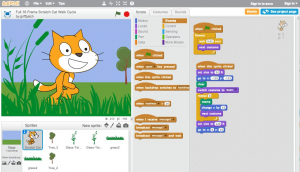
Scratch for kids is a great choice for this age group. It helps kids create games, animations, and interactive stories while learning loops, conditions, variables, and events.
2. Roblox Studio
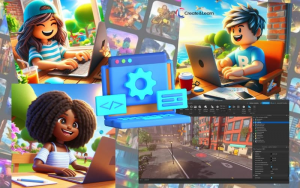
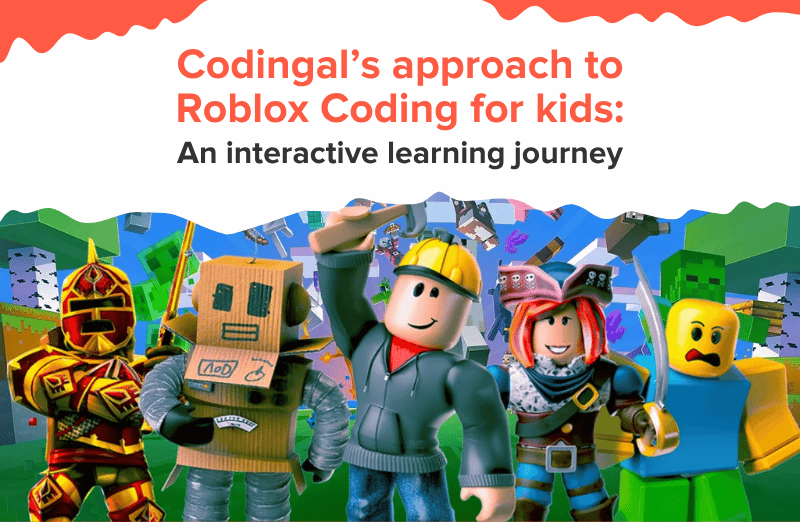
Roblox Coding for kids lets kids build their own games and worlds. It also introduces scripting, which helps children move toward real coding in a creative environment.
3. MIT App Inventor
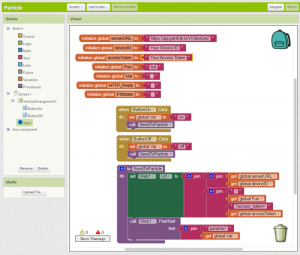
This platform helps kids build mobile apps using block coding. It is a fun bridge between simple coding and real project building.
Grades 9–10: Programming Through Projects
Older students can start building games and projects using real programming languages.
1. Python with Turtle or Pygame
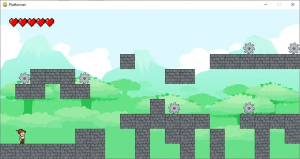
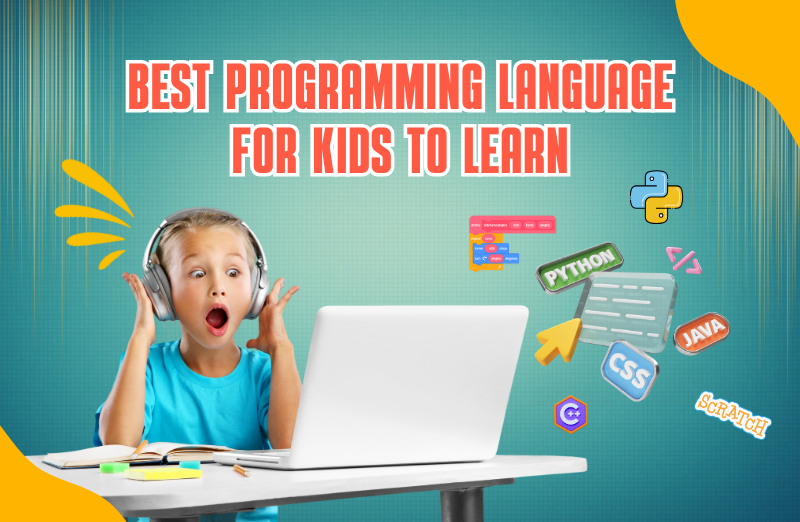
Python is a great first text-based language. With Turtle, kids can make drawings and patterns. With Pygame, they can begin creating simple games and animations.
2. HTML, CSS, and JavaScript Game Projects
These tools help students create browser-based games. They also learn design, interactivity, and logic while building something they can actually use and share.
3. Beginner Unity
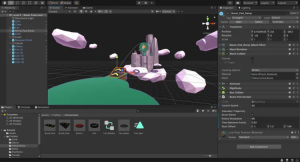
Unity introduces students to a real game engine. It helps them understand how professional game development works through scenes, objects, logic, and coding.
Grades 11–12: Advanced Creation, Coding, and AI
At this stage, students can create more advanced projects and connect gaming with real-world technology.
1. Godot or Advanced Unity

These platforms help students build deeper game projects and understand advanced design and scripting.
2. AI + Games Projects
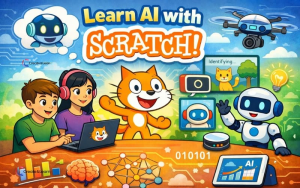
Students can combine tools like Teachable Machine with Scratch or Python to create interactive AI-based games. This shows them how gaming, coding, and artificial intelligence can work together.
3. Data and App-Based Coding Projects
Older students can also build recommendation apps, simulations, or game-like experiences using APIs, Python, or web development tools.
How Games Can Lead to Coding
This is where gaming becomes even more powerful.
1. Playing Builds Curiosity
When kids enjoy a game, they often start wondering how it was made.
2. Building Feels More Exciting Than Just Playing
Many children discover that creating a game, an animation, or an app can be even more satisfying than simply using one.
3. Coding Becomes Easier with the Right Start
When kids begin with age-appropriate tools like ScratchJr, Scratch, Code.org, Roblox Studio, and Python, coding feels like a natural next step instead of something scary.
What Makes a Good Video Game for Kids?
Not every game offers the same value.
1. Good Games Usually Include
A strong game for kids often includes creativity, exploration, problem-solving, learning, age-appropriate content, or teamwork.
2. The Best Games Help Kids Grow
A really good game is not only fun. It also helps kids think, create, learn, or become curious about building something of their own.
Final Thoughts
From a kid’s point of view, video games are not just screens. They can be adventures, challenges, creative spaces, and even stepping stones toward coding.
So yes, video games can be good for kids.
The key is choosing the right games, keeping healthy limits, and making sure gaming is part of a balanced life. When that happens, games can help kids learn, create, solve problems, and even begin their journey into coding and technology.
If your child enjoys playing games, this could be the perfect time to help them move from just playing to actually building. Try a free lesson and let them explore how fun games can become the first step into coding, creativity, and real-world problem-solving.
FAQs
- Are video games good for kids?
Yes, video games can be good for kids when they are age-appropriate and played in moderation. They can support creativity, focus, teamwork, learning, and problem-solving. - Can video games help kids learn coding?
Yes, some games and platforms introduce coding through puzzles, block programming, logic, and game creation. ScratchJr, Scratch, Code.org, and Roblox Studio are strong examples. - What are the benefits of video games for kids?
Video games can improve problem-solving, creativity, focus, perseverance, coordination, teamwork, planning, and digital confidence when balanced with healthy daily routines. - How much gaming is healthy for children?
Healthy gaming depends on age and routine. Gaming should not affect sleep, schoolwork, physical activity, meals, or family time. Balance matters more than endless screen time. - What are the best video games for Grades 1–3?
Good options for Grades 1–3 include Toca Life World, Thinkrolls, and ScratchJr because they support creativity, logic, storytelling, and beginner coding ideas. - What are the best games for Grades 4–8 that lead to coding?
Minecraft, Lightbot, Code.org, Scratch, Roblox Studio, and MIT App Inventor are excellent choices because they combine fun, creativity, logic, and coding foundations. - Can Minecraft help kids learn useful skills?
Yes, Minecraft can help kids build creativity, planning, design thinking, exploration, and problem-solving. It can also introduce logic and coding-related thinking in some formats. - Are coding games good for beginners?
Yes, coding games are great for beginners because they make programming feel visual, playful, and achievable. They build confidence before moving into real coding languages. - What are the risks of too much gaming?
Too much gaming can affect sleep, physical activity, homework, mood, and family time. That is why routines, breaks, and healthy limits are important. - How can parents choose good video games for kids?
Parents can look for games that are age-appropriate, creative, educational, safe, and skill-building. Games that encourage problem-solving or creation are often strong choices.